Featured
The 10-Second Trick For True Experiences of Families Who ...
9 Easy Facts About Real Experiences from How to Use Credi...
How Starting Meeting and What to Bring can Save You Time,...
The Single Strategy To Use For Developing a Sustainable F...
:max_bytes(150000):strip_icc()/DebtRelief-BestDebtReliefCompaniesImage-65c32a5716014aeca3a4e55477cb8130.png)
Little Known Facts About Does Bankruptcy Make Sense for Your Case.
Table of Contents
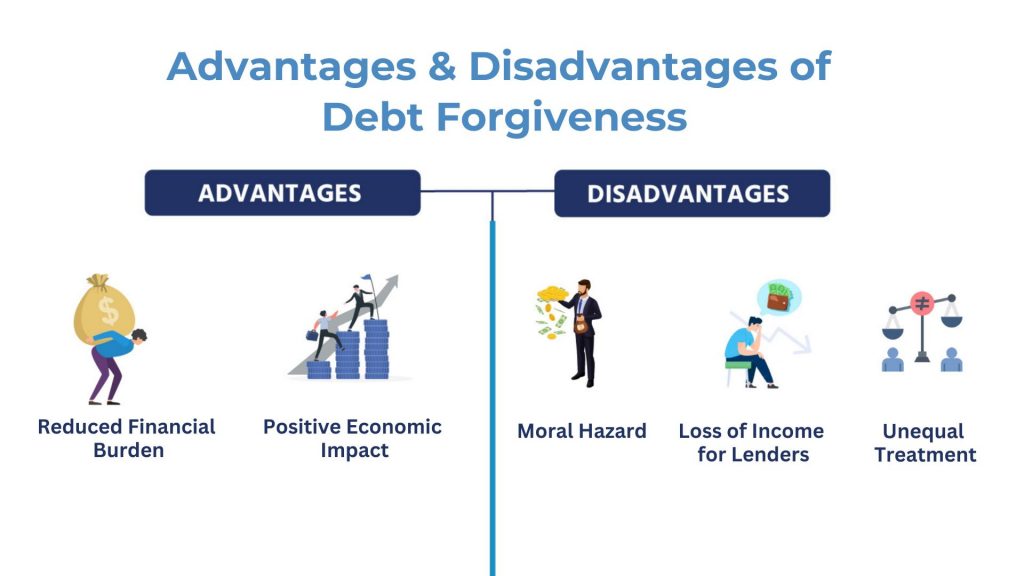
That maximizes money in the brief term, and you might have three to 4 years to conserve towards the settlement quantity. Really hazardous to credit rating, primarily as a result of missed payments and a negative "worked out" mark that can remain on your credit history record for up to 7 yearsMay be just option if other alternatives (financial obligation loan consolidation, balance transfer credit scores cards, financial debt mercy) aren't possibleTypically calls for a cost to the 3rd party, which could balance out some or every one of the cost savings from financial debt settlementMay aid you prevent personal bankruptcy if you have actually missed out on a number of paymentsNot all creditors collaborate with financial obligation settlement business Financial debt mercy might be best for you if you are experiencing a financial challenge that makes it almost difficult to pay for your financial obligation balances.
With a DMP, you make one month-to-month repayment to the credit score counseling firm. Those funds are then dispersed to lenders of your unprotected debts, such as charge card and installment fundings. The company collaborates with your financial institutions to reduce rate of interest or waive fees, but some lenders may decline such concessions.
A financial obligation combination car loan combines your qualified financial debts right into one new funding. It can aid you pay for financial obligation if you have the ability to secure a funding rate that's less than the ordinary rate of the accounts you're settling. You should avoid from racking up financial debt on those recently removed accounts or your financial debt might expand even greater.
These cards often offer a 0% passion initial period of up to 21 months. That offers you lots of time to eliminate or dramatically minimize your equilibrium while making interest-free repayments. For some people dealing with overwhelming debt, insolvency may be the only means to stop collection process and legally solve their financial obligations.
All About The Pros to Consider of Bankruptcy
You might require it if your financial institution or a collection firm ever before tries to gather on the financial debt in the future. When a lender forgives $600 or even more, they are needed to send you Type 1099-C.
Financial debt mercy or settlement generally injures your credit scores. Anytime you clear up a financial debt for much less than you owe, it may appear as "cleared up" on your credit report and affect your credit history rating for seven years from the date of negotiation. Your debt can additionally drop considerably in the months causing the mercy if you drop behind on settlements.
A Biased View of Financial Impact the Investment of Understanding Credit Report for Better Financial Health : APFSC
This situation usually results from underreporting income, not filing returns on time, or inconsistencies discovered throughout an Internal revenue service audit. The effects of accumulating tax financial obligation are severe and can include tax obligation liens, which give the Internal revenue service a legal case to your building as security for the debt.
Greater passion prices on available credit score. Wages and Financial institution Accounts internal revenue service can levy (confiscate) wages and savings account to satisfy the debt. Decreased earnings and disturbance of vital financial procedures. Building Seizure In severe situations, the internal revenue service can take and offer residential property to cover the financial debt. Loss of important possessions and potential displacement.
Anxiety, stress and anxiety, and various other mental health and wellness issues. Social Stigma Encountering legal activity from the internal revenue service can bring social stigma. Damages to credibility and partnerships. Work Opportunities A poor credit report rating as a result of strain debt can restrict work opportunities. Trouble finding or maintaining a task. Government Advantages Tax obligation financial obligation might affect eligibility for government advantages, such as Social Safety and Medicaid.
Top Guidelines Of Private Understanding Credit Report for Better Financial Health : APFSC Organizations Explained
The OIC takes into consideration several factors, consisting of the taxpayer's revenue, expenditures, property equity, and capacity to pay. Successfully negotiating an OIC can be intricate, calling for a comprehensive understanding of the IRS's standards and a solid debate for why your deal lines up with your capacity to pay. It is essential to note that not all applications are accepted, and the process calls for thorough monetary disclosure.
The internal revenue service evaluates your overall monetary scenario, including your revenue, costs, asset equity, and capability to pay. You must also be current with all filing and settlement demands and not be in an open personal bankruptcy case. The internal revenue service likewise considers your compliance background, reviewing whether you have a document of timely declaring and paying taxes in previous years.
Getting The Methods Legitimate Providers Follow Ethical Compliance To Work
The application procedure for a Deal in Compromise entails several comprehensive actions. You should finish and send Internal revenue service Type 656, the Deal in Compromise application, and Form 433-A (OIC), a collection details declaration for people. These types need thorough monetary info, consisting of details regarding your earnings, financial debts, expenses, and properties.
Back tax obligations, which are unsettled taxes from previous years, can substantially boost your complete internal revenue service financial obligation if not addressed without delay. This financial debt can accumulate interest and late repayment charges, making the original amount owed much bigger gradually. Failure to repay taxes can cause the internal revenue service taking enforcement activities, such as issuing a tax obligation lien or levy against your home.
It is necessary to deal with back taxes immediately, either by paying the full quantity owed or by organizing a layaway plan with the internal revenue service. By taking proactive actions, you can prevent the accumulation of additional rate of interest and fines, and prevent more aggressive collection actions by the internal revenue service.
One common reason is the belief that the taxpayer can pay the full quantity either as a round figure or via a payment strategy. The IRS likewise thinks about the taxpayer's income, expenditures, asset equity, and future earning capacity. If these aspects indicate that the taxpayer can afford to pay greater than the offered quantity, the internal revenue service is most likely to turn down the deal.
The 4-Minute Rule for Common Myths Regarding Bankruptcy
Dealing with IRS debt can be complex and overwhelming. Tax obligation experts, such as CPAs, tax obligation lawyers, or registered representatives, can provide very useful aid.

Table of Contents
Latest Posts
The 10-Second Trick For True Experiences of Families Who Achieved Peace of Mind
9 Easy Facts About Real Experiences from How to Use Credit Cards Wisely to Avoid Debt : APFSC Recipients Shown
How Starting Meeting and What to Bring can Save You Time, Stress, and Money.
More
Latest Posts
The 10-Second Trick For True Experiences of Families Who Achieved Peace of Mind
9 Easy Facts About Real Experiences from How to Use Credit Cards Wisely to Avoid Debt : APFSC Recipients Shown
How Starting Meeting and What to Bring can Save You Time, Stress, and Money.